

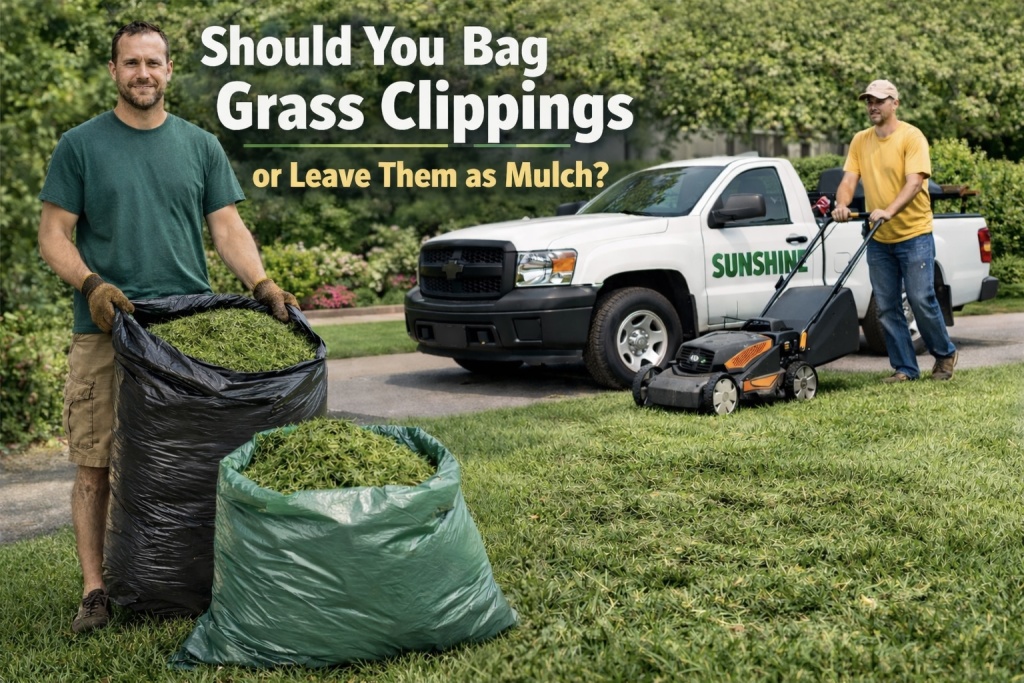
Snap Shot:
- Great results when mowing lawns can come with unique challenges: clay-heavy ground, temperature swings, short growing seasons, and strict yard standards.
- For most residential situations, mulching clippings directly back into turf improves soil health, reduces fertilizer needs, and saves time.
- Bagging still plays an important role when dealing with disease, excessive growth, or seasonal cleanup.
- The best choice depends on timing, equipment, grass condition, and long-term lawn goals.
Table of Contents:
2. Why Mowing Lawns Winnipeg Is Different
2.1 Climate realities
2.2 Soil structure challenges
3. Understanding Grass Clippings
3.1What clippings really contain
3.2 Nutrient cycling basics
4. Bagging Grass Clippings
4.1 Advantages
4.2 Drawbacks
4.3 When bagging makes sense
5. Mulching Grass Clippings
5.1 How mulching works
5.2 Benefits for Winnipeg lawns
5.3 Common myths
6. Bagging vs Mulching: Side-by-Side Comparison
7. Seasonal Recommendations for Mowing Lawns Winnipeg
7.1 Spring
7.2 Summer
7.3 Fall
8. Environmental Impact and Sustainability
9. Professional Lawn Care Insight from Sunshine Maintenance & Landscaping
10. Choosing the Right Approach for Your Property
11 Conclusion
1. Introduction: Mowing Winnipeg Lawns: Is It Better to Bag or Mulch Grass Clippings?
If you have ever stood behind a mower on a warm prairie evening wondering what to do with the trail of clippings left behind, you are not alone. Homeowners often debate whether bagging or mulching grass clippings produces better results. It sounds like a small decision, yet it directly affects turf health, soil quality, maintenance costs, and even neighborhood appearance.
Winnipeg lawns live under extreme conditions. Winters last long. Summers can switch from cool rain to scorching heat within days. Soil tends to be dense and slow-draining. Because of these realities, strategies borrowed from milder regions often fail here. That is why understanding how clippings behave locally matters far more than generic advice.
Bagging feels tidy. Many people prefer a clean finish, especially during peak growth. Mulching, on the other hand, promises free nutrients and healthier soil. Both options have merit. Both also have drawbacks when applied at the wrong time or without proper technique. The goal of this guide is not to push one universal rule, but to help you choose wisely based on science, experience, and Winnipeg-specific conditions.
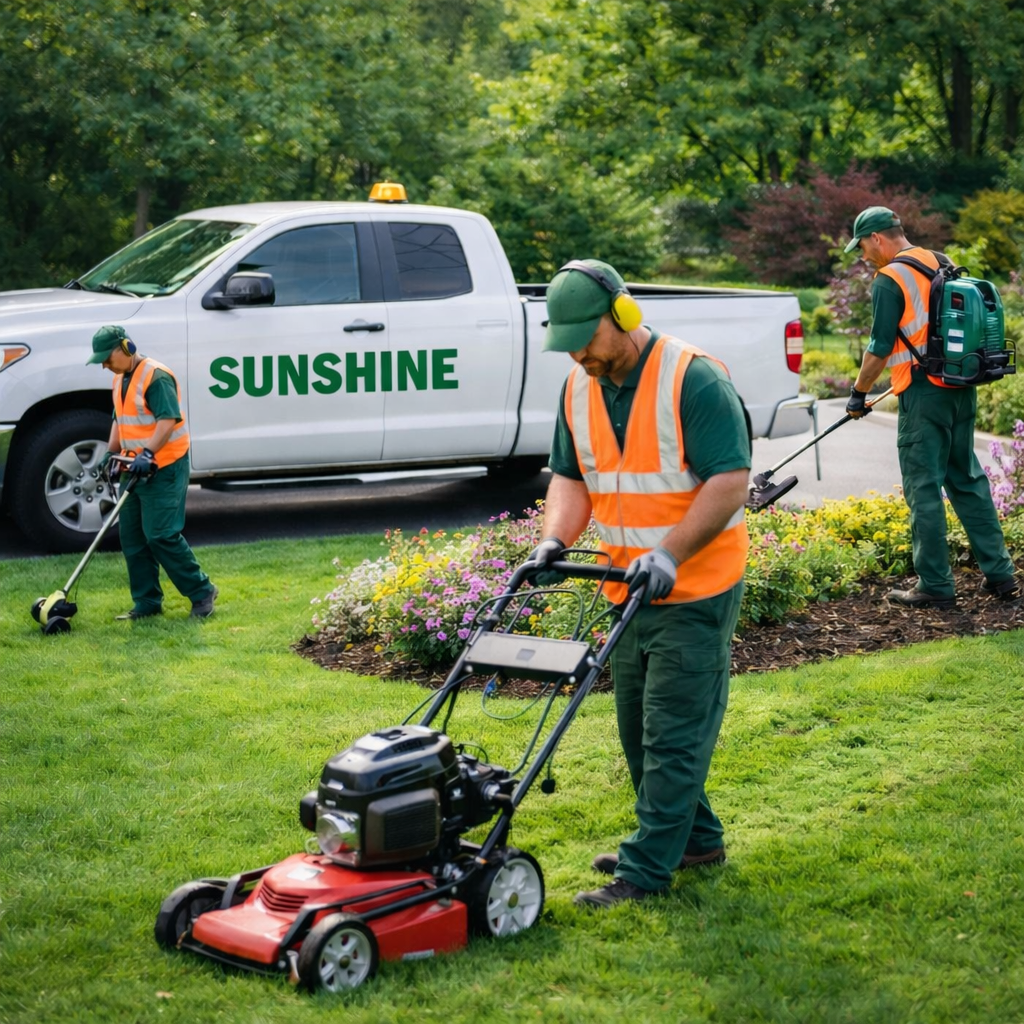
At Sunshine Maintenance & Landscaping, we spend thousands of hours every season mowing Winnipeg lawns in neighborhoods across the city. From River Heights to Transcona, from new developments to mature properties, we see how different practices perform over time. We watch what thrives after drought, what survives heavy rain, and what struggles once winter returns.
This article breaks down the real differences between bagging and mulching grass clippings. We will look at soil biology, turf response, seasonal timing, and environmental impact. We will also share professional insights gathered from years of hands-on service in Manitoba’s demanding climate.
Whether you manage your yard yourself or rely on professional care, understanding this choice will help you build a stronger, greener lawn that lasts beyond one season.
2. Why Cutting Winnipeg Grass Is Different
2.1 Climate Realities
Properly Mowing Winnipeg Lawns means adapting to temperature swings. Soggy spring weather, rapid spring growth, midsummer heat stress, and early autumn cold all influence mowing outcomes. Grass rarely grows evenly here. Instead, it surges, pauses, then sometimes surges again.
Mulching during heavy growth periods can overload turf if cutting height is wrong. Bagging during drought can remove valuable organic material. Timing matters more locally than in moderate climates.
Contact us today for your free estimate.
2.2 Soil Structure Challenges
Winnipeg soil often contains high clay content. Clay holds nutrients well but drains slowly. Without organic matter, it compacts easily. Decisions made about mowing Winnipeg lawns yards should aim to improve soil structure rather than strip it further.
Grass clippings play a surprising role in that process.
A practical guide to amending your winnipeg soil
3. Understanding Grass Clippings
3.1 What Clippings Really Contain
Many homeowners assume clippings are waste. In reality, fresh grass material contains:
- Nitrogen
- Potassium
- Trace minerals
- Organic carbon
Research from turf science programs shows clippings can return up to 30 percent of annual nitrogen needs back into turf systems. That nutrient cycling matters greatly for Winnipeg yards with nutrient-poor topsoil.
3.2 Nutrient Cycling Basics
When clippings decompose, microorganisms break them down quickly. They do not create thatch when managed properly. Thatch comes from roots and stems, not leaf tissue. This misunderstanding leads many people to bag unnecessarily.
4. Bagging Grass Clippings
4.1 Advantages
Bagging during mowing sessions offers clear benefits:
- Immediate visual cleanliness
- Removal of weed seed heads
- Control during disease outbreaks
- Prevention of clumping after rain
- Bagging also helps during spring cleanup, when dormant material accumulates after snowmelt.
4.2 Drawbacks
However, bagging removes valuable nutrients and organic matter. Over time, lawns may require increased fertilizer input. Disposal also adds labor and environmental cost.
For homeowners who bag every cut, soil health often declines unless compost is regularly added back.
4.3 When Bagging Makes Sense
Bagging is appropriate when:
- Grass height exceeds one-third of blade length
- Fungal disease appears
- Heavy weed pressure exists
- Fall leaf volume overwhelms turf
Professional crews adjust bagging frequency carefully to avoid long-term damage.
5. Mulching Grass Clippings
5.1 How Mulching Works
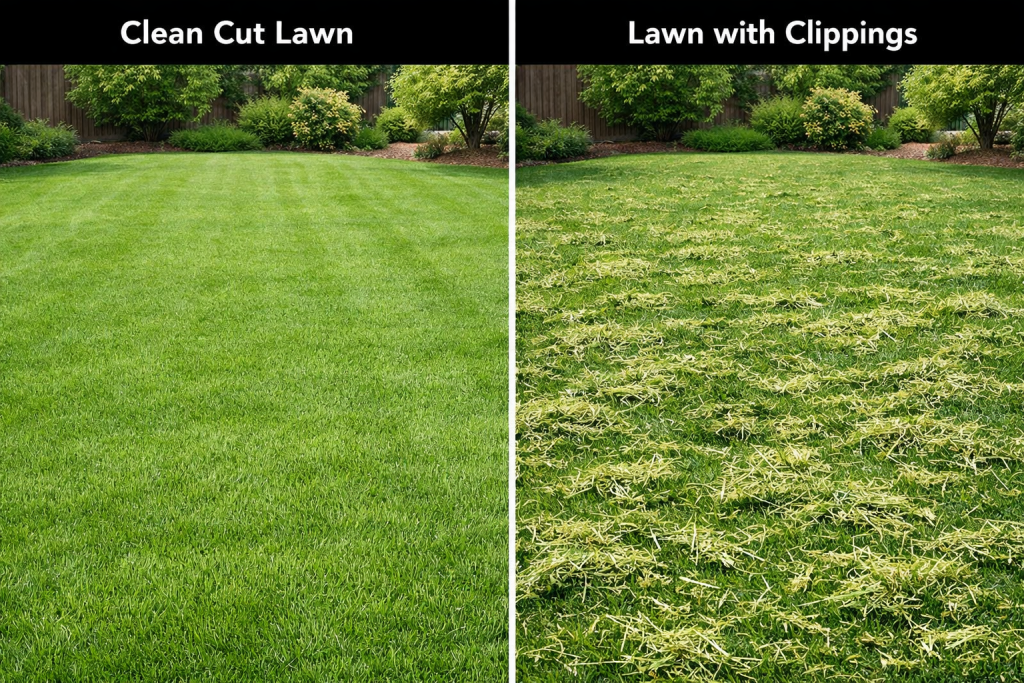
Mulching mowers cut clippings into fine particles and disperse them evenly. These particles settle between blades, decompose quickly, and feed soil organisms.
When done correctly, mulching leaves no visible residue.
5.2 Benefits for Winnipeg Lawns
Mulching supports:
- Improved moisture retention
- Reduced fertilizer demand
- Enhanced microbial activity
- Better root development
For Winnipeg lawns sites with clay soil, organic matter addition improves structure gradually.
5.3 Common Myths
A persistent myth claims mulching causes thatch. Research consistently disproves this. Thatch accumulation depends on growth rate and soil biology, not leaf recycling.
6. Bagging vs Mulching: Side-by-Side Comparison
|
Factor |
Bagging |
Mulching |
|
Nutrient return |
Low |
High |
|
Appearance |
Very clean |
Natural |
|
Time required |
Higher |
Lower |
|
Soil improvement |
Minimal |
Significant |
|
Environmental impact |
Higher waste |
Reduced waste |
Professionals often alternate methods depending on season and growth stage.
7. Seasonal Recommendations for Mowing Winnipeg Lawns
7.1 Spring
Early growth often benefits from light bagging to remove debris. Once growth stabilizes, mulching becomes effective.
7.2 Summer
During heat stress, mulching helps retain moisture. Bagging may increase drought vulnerability.
7.3 Fall
Final cuts often require partial bagging to manage leaves and prevent snow mold. Strategic mulching earlier helps turf store nutrients.
8. Environmental Impact and Sustainability
To some, mowing lawns in Winnipeg means trying to reduce landfill waste and chemical dependence.
Mulching lowers emissions by reducing disposal trips. It also decreases fertilizer runoff into waterways.
Municipal guidelines increasingly support grasscycling as an eco-friendly practice.
9. Professional Lawn Care Insight from Sunshine Maintenance & Landscaping
At Sunshine Maintenance & Landscaping, we tailor mowing strategies property by property. No single rule applies everywhere. Our crews evaluate turf density, moisture, growth rate, and seasonal timing before choosing bagging or mulching.
Transfor your Winnipeg yard with Expert Lawn Maintenance
If you want expert help deciding the best mowing approach for your yard, contact Sunshine Maintenance & Landscaping for a personalized assessment anywhere in Winnipeg.

Reach out by call or text to: 204-229-9789 or click here to submit your information today to arrange a “no obligation” introductory phone call. We look forward to helping you transform your yard.
Tips on how to prepare for a consultation meeting with a landscape or lawn care contractor
10. Choosing the Right Approach for Your Property
Ask yourself:
- How fast does grass grow here?
- Does soil drain poorly?
- Are weeds present?
- Do you fertilize regularly?
Answering these questions helps guide smart decisions to do with mowing Winnipeg lawns.
Professional service removes guesswork and protects long-term turf health.
11. Conclusion:
The debate over bagging versus mulching often misses the bigger picture. Mowing lawns successfully depends less on rigid rules and more on understanding local conditions. Both methods serve a purpose when used intentionally.
Bagging offers control, cleanliness, and problem management. Mulching delivers nutrients, improves soil, and supports sustainability. The mistake many homeowners make is choosing one approach exclusively, regardless of season or turf condition.
Winnipeg’s climate rewards flexibility. Lawns here face challenges that require adaptive care strategies. A healthy yard today should still perform after snow, ice, and freeze-thaw cycles. Soil health underpins that resilience, and grass clippings play a meaningful role.
At Sunshine Maintenance & Landscaping, we view mowing as more than cutting grass. It is a system that includes timing, height, equipment, thought and aftercare. Our experience across Winnipeg neighborhoods shows that lawns maintained with thoughtful mulching and strategic bagging recover faster, resist stress better, and look stronger year after year.
Whether you handle maintenance yourself or partner with professionals, applying these principles will help you get better results with less effort. The choice between bagging and mulching is not about perfection. It is about balance.
Contact us today for your free estimate.